
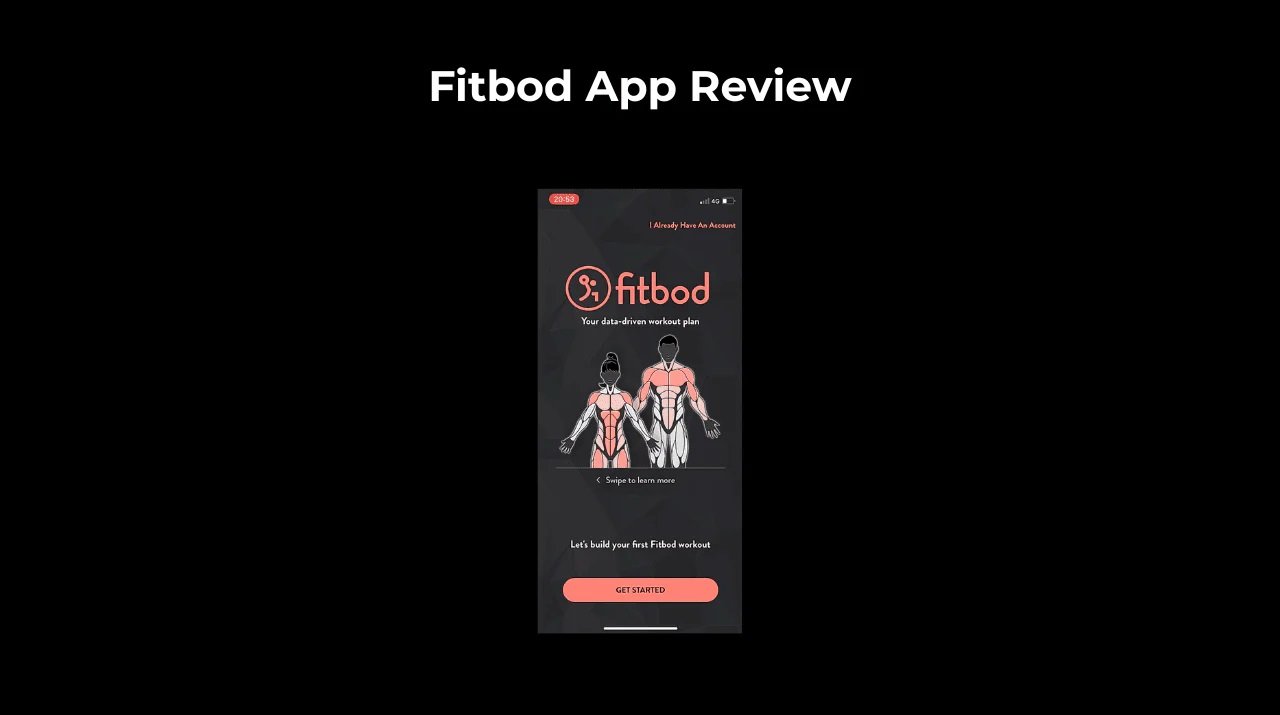
Introduction: Why Fitbod App Stands Out in the Crowded Fitness App Market in 2026
In 2026, with countless fitness apps available, finding one that genuinely simplifies strength training while delivering real results remains challenging. Fitbod has established itself as a leading AI-powered workout planner that creates fully personalized strength training routines based on your goals, fitness level, available equipment, and muscle recovery status.
Fitbod removes the guesswork from planning workouts so you can focus on lifting and progressing. With over 15 million downloads, 120 million+ workouts logged, and high praise as the Best AI Workout App of 2026 by independent testers, it appeals to beginners, intermediate lifters, home gym users, and travelers alike.
This comprehensive Fitbod app review explores every major feature, real-world performance, pricing details, pros and cons, detailed comparisons, setup guidance, advanced tips, and who should (or shouldn’t) use it in 2026. Whether you are starting strength training or looking to optimize your routine, this guide provides everything you need.
History and Philosophy of Fitbod App
Fitbod was designed to solve a common problem: most people know they should strength train but struggle with planning balanced, progressive workouts. By leveraging machine learning trained on millions of real workout data points, Fitbod generates intelligent, adaptive plans that evolve with your body.
Its core philosophy emphasizes less planning, more progress. The app prioritizes science-backed programming, recovery awareness, and equipment flexibility rather than generic templates.
Core Features of Fitbod App in 2026
Personalized AI Workout Generation
Fitbod’s standout feature uses AI to build custom workouts tailored to:
- Your specific goals (muscle gain, strength, fat loss, endurance, general fitness)
- Current fitness level and training history
- Available equipment (full gym, home dumbbells, hotel gym, bodyweight only)
- Muscle recovery status (visual heat map showing 0-100% readiness per muscle group)
After each logged session, the algorithm adjusts volume, intensity, exercises, sets, and reps for optimal progressive overload while respecting recovery.
Smart Recovery and Muscle Balance Tracking
A visual muscle recovery map helps prevent overtraining. The system analyzes logged performance, volume, and time since last session to recommend balanced splits and rest days.
Extensive Exercise Library with Video Demonstrations
Fitbod offers hundreds of exercises with high-quality demo videos, detailed instructions, and variations for different equipment. This makes it beginner-friendly while supporting advanced users.
Progress Tracking and Performance Analytics
Automatically tracks personal records (PRs), strength gains, volume trends, and body measurements. Detailed logs help you visualize long-term progress.
Equipment Flexibility and Multiple Profiles
Create different equipment profiles for gym, home, travel, or limited setups. The AI intelligently substitutes exercises when equipment changes.
Additional Standout Features
- Rest timers with customizable settings
- Supersets and circuit training options
- Mobility and warm-up recommendations
- Custom workout builder for manual planning
- Apple Health, Google Fit, and Strava integration
- Offline mode for workouts
- HSA/FSA eligibility (with proper documentation)
- Playlist integration for workout music
User Interface and Experience
The clean, intuitive design works smoothly on both iOS and Android. Logging sets is fast, and the app feels polished and responsive.
How Fitbod AI Works: Behind the Scenes
Fitbod combines exercise science with machine learning trained on hundreds of millions of logged sets. It considers factors like training frequency, intensity (RPE or percentage-based), previous performance, and fatigue accumulation to generate sessions that promote steady gains while minimizing injury risk.
Real-user data shows consistent strength improvements and better adherence compared to generic programs.
Performance and Real-World Results (2026)
Users commonly report:
- Faster strength gains due to smart progressive overload
- Better workout consistency (no more “what should I do today?”)
- Effective muscle balancing and reduced imbalances
- Excellent adaptability for travel or home workouts
- Noticeable time savings on planning
Independent tests in 2026 highlight high scores in workout variety, ease of use, and value.
Fitbod Pricing Plans in 2026
Fitbod offers a limited free trial (typically 3 workouts). Full access requires a subscription:
- Monthly: $15.99
- Yearly: $95.99 (approximately $8/month)
Discounts and promotional codes often reduce the effective yearly cost further. Some users report HSA/FSA reimbursement eligibility. Compared to personal training ($50–100/session), Fitbod provides strong value for automated programming.
Free vs Elite: The free version is very limited. Elite unlocks unlimited AI-generated workouts, full tracking, and all advanced features.
Pros and Cons of Fitbod App (2026)
Pros:
- Highly personalized and adaptive AI workouts
- Excellent equipment flexibility and substitutions
- Strong recovery tracking and muscle balance
- User-friendly interface with great exercise demos
- Solid progress analytics and PR tracking
- Works well for home, gym, and travel
- Regular updates and feature improvements
- High overall user ratings (4.3+ on app stores)
Cons:
- Subscription required after short trial
- Some advanced lifters find progression conservative
- Exercise selection can occasionally feel repetitive
- No built-in nutrition tracking
- Weight or rep suggestions not always perfect
- More expensive than basic logging apps
Detailed Comparison: Fitbod vs Competitors (2026)
| Feature | Fitbod | Hevy | Strong | Freeletics |
|---|---|---|---|---|
| AI Personalization | Excellent (Recovery + Equipment) | Limited | None | Good |
| Equipment Adaptability | Outstanding | Good | Basic | Excellent |
| Recovery Tracking | Advanced Heat Map | Basic | None | Good |
| Progress Analytics | Strong | Very Good | Excellent | Good |
| Best For | Adaptive Strength Training | Social Logging | Simple Strength Logging | Bodyweight + HIIT |
| Pricing | $15.99/mo or $95.99/yr | Lower (Freemium) | One-time or low sub | Varies |
| Beginner Friendly | Very High | High | Medium | High |
Verdict: Fitbod excels for users wanting smart, hands-off programming. Hevy or Strong may suit those preferring manual control at lower cost. Choose based on your need for automation vs customization.
Who Should Use Fitbod App in 2026?
Ideal For:
- Beginners to intermediate lifters needing guidance
- Busy professionals who want minimal planning
- Home gym owners or travelers needing flexibility
- Anyone tired of generic workout plans
- Strength training enthusiasts focused on progressive results
Less Suitable For:
- Advanced powerlifters or bodybuilders with highly specific needs
- Users wanting free or very low-cost solutions
- Those primarily focused on cardio, HIIT, or nutrition tracking
- People who enjoy creating their own complex programs
Step-by-Step Guide: How to Get Started with Fitbod
- Download Fitbod from the App Store or Google Play.
- Create your profile (goals, experience level, equipment available).
- Complete the initial setup questions for accurate personalization.
- Generate and start your first workout.
- Log sets, weights, and reps accurately.
- Review recovery map and adjust as needed.
- Explore custom workouts and settings for fine-tuning.
Pro Tips:
- Create multiple equipment profiles for different locations.
- Use the warm-up and mobility features consistently.
- Log honestly for better AI recommendations over time.
- Combine with a separate nutrition app if needed.
- Check settings for rest timer preferences and notifications.
Advanced Tips and Customization
Power users can build and save custom routines, adjust training frequency, enable supersets, and fine-tune recovery sensitivity. The app learns from your feedback, so consistent logging improves results. Many users combine Fitbod with wearable data (Apple Watch, etc.) for enhanced insights.
Common Issues and Troubleshooting
- Conservative Progression: Manually increase weights when ready and the AI will adapt.
- Repetitive Exercises: Use custom workouts or request variations.
- Sync Issues: Ensure stable internet and check app permissions.
- Limited Free Access: Plan to subscribe after the trial to evaluate fully.
Future Outlook for Fitbod
With ongoing AI improvements, potential nutrition expansions, and deeper wearable integrations, Fitbod is well-positioned to remain a top strength training app. Its data-driven approach aligns with growing demand for personalized fitness.
Frequently Asked Questions (FAQs)
Is Fitbod worth the subscription in 2026? Yes, for most users seeking convenient, effective personalized strength training. The yearly plan offers good value.
Does Fitbod work for beginners? Absolutely — it excels at guiding beginners with proper form videos and progressive plans.
Can I use Fitbod with home equipment only? Yes, it adapts extremely well to dumbbells, resistance bands, or bodyweight.
Is Fitbod better than a personal trainer? It provides excellent programming at a fraction of the cost but lacks real-time form correction.
Does Fitbod track nutrition? No, focus remains on workouts. Pair it with MyFitnessPal or similar for full coverage.
Conclusion: Is Fitbod the Right Fitness App for You in 2026?
Fitbod delivers one of the most intelligent, user-friendly solutions for personalized strength training available today. Its AI-driven customization, recovery awareness, and equipment flexibility make it a standout choice for anyone serious about consistent progress without spending hours planning.
If you value time-saving automation and smart programming, download Fitbod and start your free workouts today. Many users notice improved consistency and results within the first few weeks.
Ready to try? Visit fitbod.me or search for “Fitbod” in your app store.

Leave a Reply